Traffic Cone Options for Temporary Traffic and Safety Setups
Selecting the right traffic cone configuration depends on visibility needs, environment, and how the setup will function in real conditions. Height, reflectivity, and accessory compatibility determine which option fits best, whether marking active roadworks, guiding vehicles in parking areas, or managing temporary event layouts.
Choose the Right Safety Traffic Cone Configuration for Your Setup
Traffic cones are essential safety devices used in temporary traffic control, construction zones, parking areas, and event layouts. Selecting the right traffic cone configuration depends on visibility requirements, traffic speed, and how often the setup changes.
Orange Traffic Cones
Best for:
• Active roadway construction.
• Lane guidance and shoulder closures.
• High-visibility safety marking.
Works best when:
• Compliance requires high-visibility orange.
• Greater distance recognition is needed.
• Outdoor conditions demand higher stability.
Typical applications:
• Road construction crews
• Utility maintenance teams
• Temporary lane direction
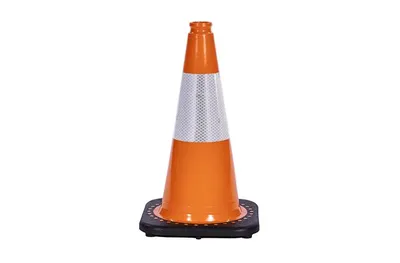
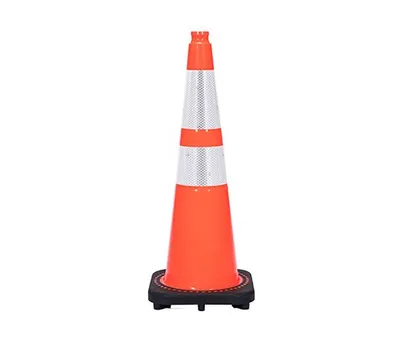
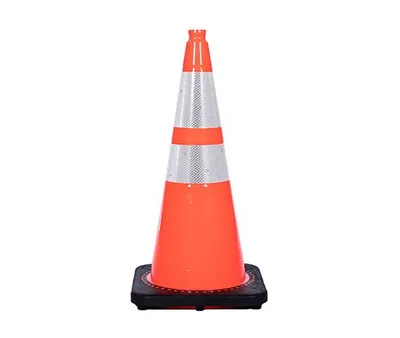
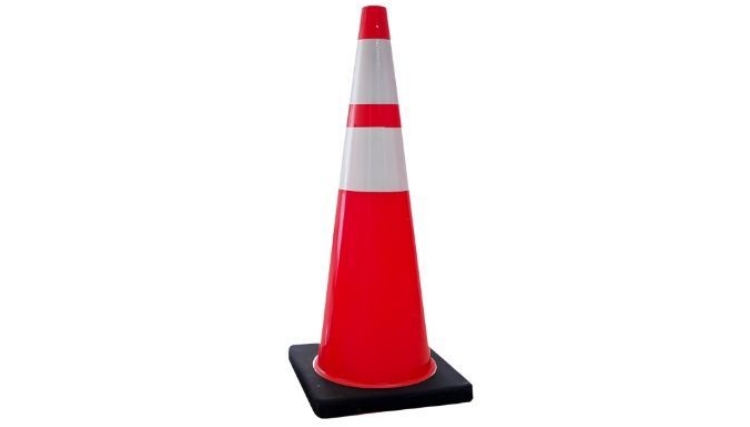
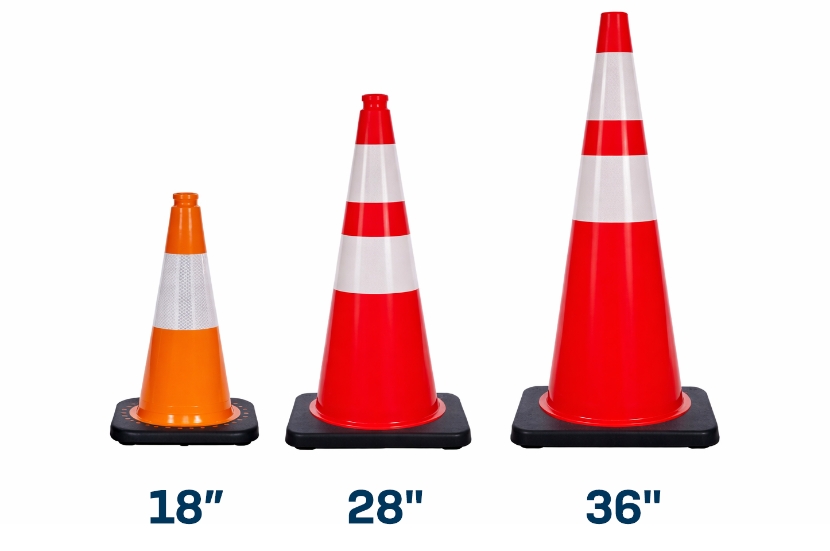
SONCO orange traffic cones are made from injection-molded PVC in day-glow orange and are available in 18-in, 28-in, and 36-in heights, to match different traffic speeds and visibility needs. Their wide-body design supports stability in outdoor environments.
Colored Traffic Cones
Best for:
• Parking lot organization.
• Event layouts and pedestrian guidance.
• Facility and recreational environments.
Works best when:
• Visual organization improves flow.
• Branding or aesthetic alignment matters.
• Traffic speeds are low or controlled.
Typical applications:
• Parking areas
• Sports venues
• Temporary crowd flow
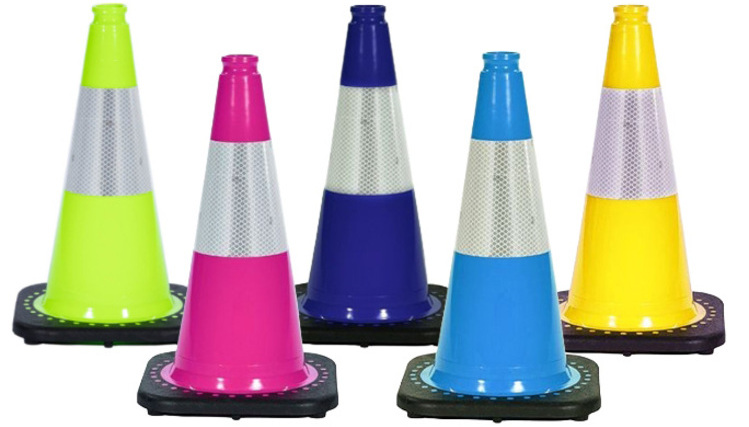
Colored traffic cones are available in a wide range of color options and come in 18 inch or 28 inch heights, with or without reflective collars, allowing clear visual differentiation for indoor and outdoor applications. They are not recommended for high-speed roadway use or for situations where maximum long-distance visibility is required.
Traffic Cones with Cone Bars
Best for:
• Quick access restriction.
• Temporary passageway blocking.
• Short-duration hazard marking.
Works best when:
• A temporary barrier is needed fast.
• Layouts change frequently.
• Physical separation is required without installing fixed barricades.
Typical applications:
• Manhole work
• Driveway closures
• Open maintenance areas
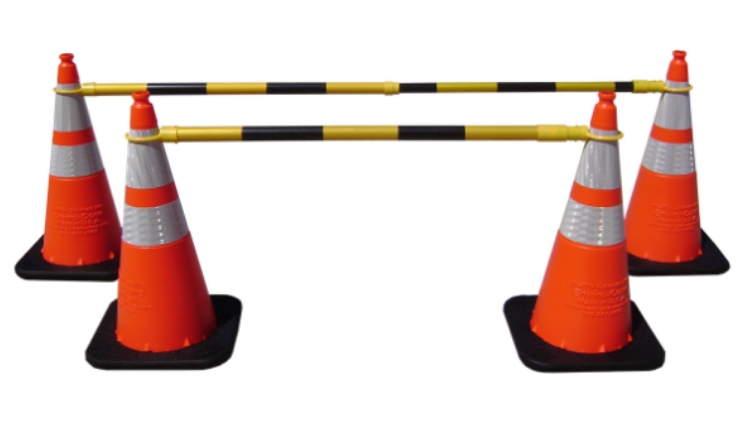
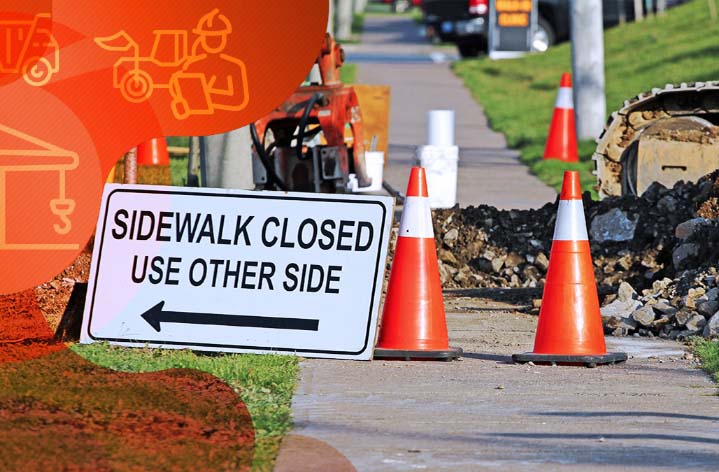
Traffic cones with cone bars create portable temporary barricade systems without installing fixed barriers. This setup is commonly used for short-duration work zones, hazard marking, and quick access control.
Less suitable when:
• Long-term perimeter stability is needed.
• Higher-impact resistance is required.
Traffic Cone Accessories
Best for:
• Expanding standard cone functionality.
• Increasing nighttime visibility.
• Adding temporary messaging.
Works best when:
• Additional signaling improves awareness.
• Layouts remain temporary but need clearer communication.
• Site conditions change throughout the day.
Typical applications:
• Construction sites
• Event layouts
• Facility operations
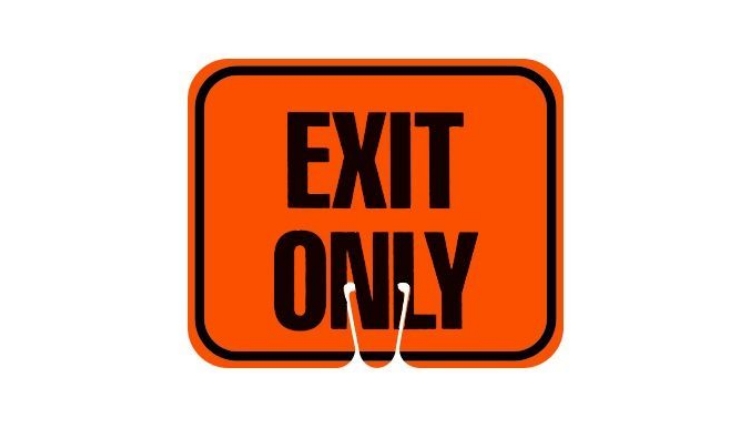
Traffic cone accessories such as LED flasher lights, reflective collars, cone signs, and retractable belts allow teams to adapt traffic cones for nighttime visibility, added messaging, or temporary perimeter control.
Less suitable when:
• Full physical access restriction is required.
• A structured lane barrier is needed.
Traffic Cone Sizes and Height Options
Traffic cones are available in several height options to match application and traffic speed requirements:
• 18-inch traffic cones – suited for indoor use, parking areas, low-speed environments, and event layouts. Available in orange and select color options.
• 28-inch traffic cones – commonly used for roadway work, temporary traffic control, and parking facilities. Available in orange and select color options.
• 36-inch traffic cones – designed for highways and high-speed traffic environments where maximum visibility is required. Available in orange only.
Safety Cone FAQs
1. Which traffic cones work best for road construction?
A: Reflective traffic cones are better suited for roadwork and higher-speed environments where visibility and compliance matter.
2. When should I use taller traffic cones instead of smaller ones?
A: Taller traffic cones work better in areas with moving vehicles or where visibility from a distance is important. Smaller cones are better for indoor or low-speed applications.
3. Are colored traffic cones suitable for roadway use?
A: Colored traffic cones are typically better for parking areas, events, and organizational use rather than active roadway traffic control.
4. Can traffic cones create temporary barricades?
A: Yes. Traffic cones with cone bars allow teams to create quick, flexible visual barriers without installing fixed barricades.
5. What makes traffic cones more portable?
A:Lightweight construction and stackable design support frequent handling, transport, and compact storage, making them ideal portable traffic cones.
6. What size traffic cone is required for highway use?
A: For high-speed roadway applications, 28-inch or 36-inch reflective traffic cones are typically recommended to meet visibility standards.
7. Are traffic cones required to be reflective?
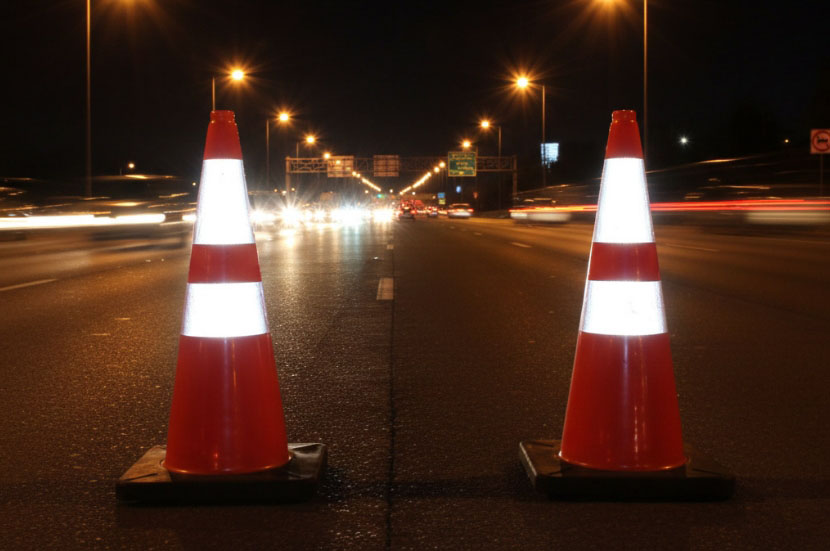
A: Reflective traffic cones are required in most regulated roadway and highway environments to ensure nighttime visibility and compliance with traffic safety guidelines.
Resources to Support Traffic Cone Selection and Deployment