Event, venue, and operations teams rely on concert barricades to manage front-of-stage areas where crowd pressure, access flow, and line continuity are all factors.
This especially applies when sustained crowd movement near the stage creates operational risk, and standard barrier layouts are no longer fit for purpose. This will help you choose the right concert stage barrier based on crowd pressure, access, and layout conditions.
How Concert Barrier Configurations Manage Crowd Pressure
Concert barrier configurations must consider factors such as pressure distribution, access points, and line continuity. Selecting the right setup depends on how pressure builds across the barricade line and where controlled access is required during the show.
How Concert Stage Barriers Differ from Standard Barricades
Concert stage barriers are selected over standard metal barricades when front-of-stage conditions introduce operational factors that standard systems are not designed to handle. Key benefits of concert barriers include:
Pressure distribution:
Stage barriers are designed to manage sustained forward crowd pressure across connected sections.
Integrated access:
Concert barricades allow controlled entry without breaking the barricade line.
Line continuity:
Concert barriers maintain structural alignment under active crowd movement.
These differences matter when the barricade must perform as a pressure-management system, not just a space-defining barrier.
Key Concert Stage Barrier Components
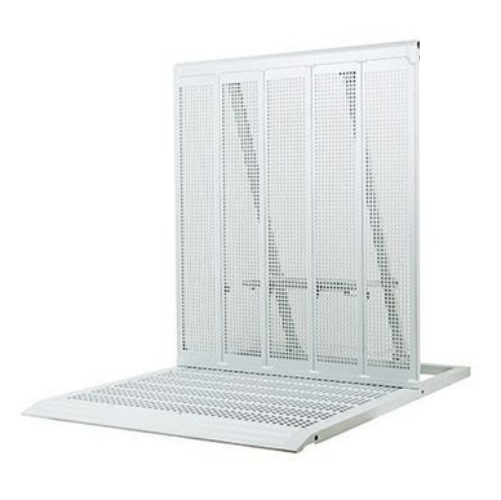
Straight Concert Barricade
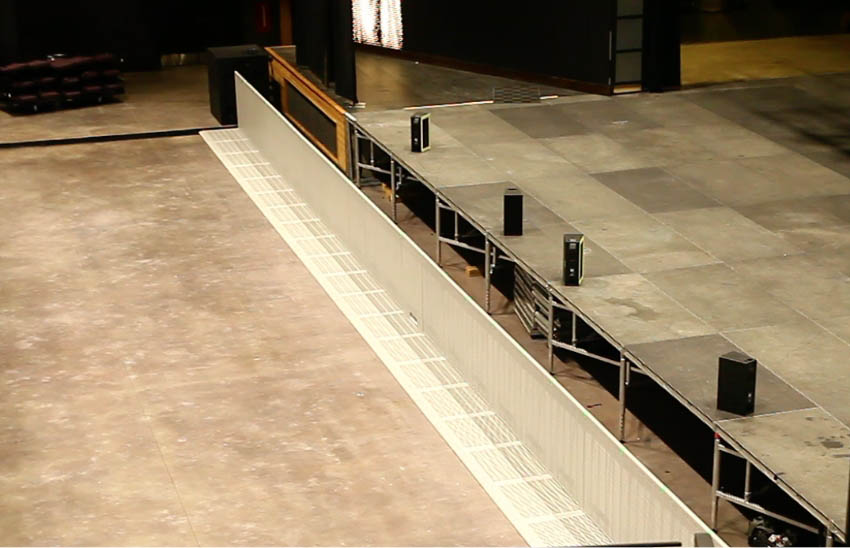
The Straight Concert Barricade manages direct crowd pressure along uninterrupted front-of-stage lines.
Flex Corner Concert Barricade
Use the corners when the barricade line need to change direction while mantaining pressure continuity.
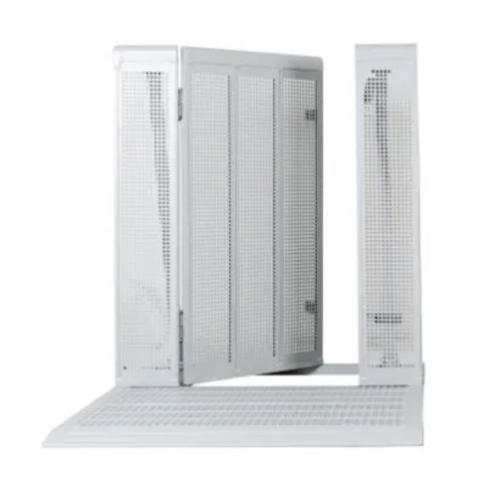
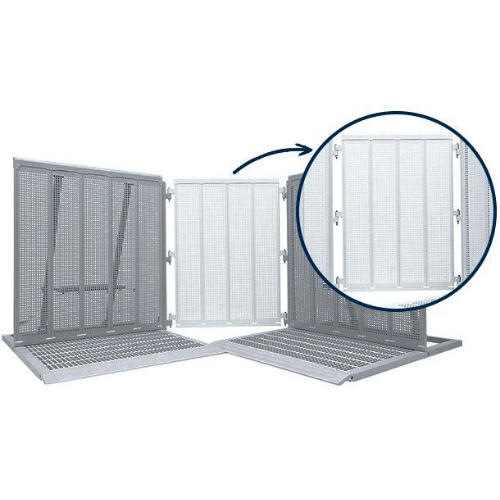
Hinged Gate Barricades
Add the Hinged Gate Barricade when you need controlled access inside active pressure zones without weakening the barrier line.
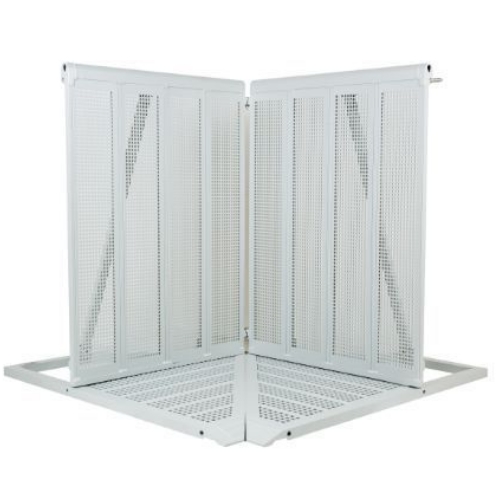
Versa Corner Concert Barricade
Designed to adapt barricade corners where pressure remains active along both lines.
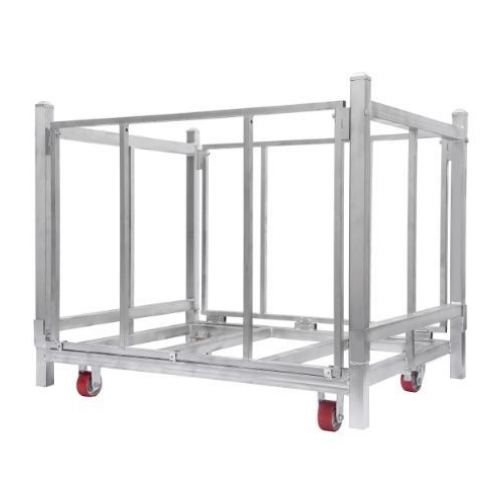
Concert Barricade Carts
Used to move the barricades from one location to another, or store them away when not in use.
Concert Barriers FAQs
1. Which concert barricade configuration is best for front-of-stage crowd pressure?
A: Configurations built from load-tested, interlocking straight sections are used where crowd pressure is sustained across the barricade line. Additional sections are added only where layout or access conditions require them.
2. When should corner sections or hinged gates be added to a concert stage barrier setup?
A: Corner sections are added when the stage layout is angled or non-linear. Hinged gates are added when controlled access for security, crews, or performers is required without interrupting pressure distribution.
3. Are concert barriers interchangeable with standard metal barricades?
A: Concert barricades are selected when the setup must manage front-of-stage pressure with integrated access. Standard metal barricades are used where those conditions are not present.
4. Which features matter most for high-traffic or multi-day events?
A: Modular connections, integrated steps, cable path sections, and section compatibility matter most when the concert barricade layout must remain reliable with repeated use and configuration changes.
5. What role does third-party testing play in concert barricade selection?
A: Concert stage barriers tested by Clark Testing Services are often selected when configurations must deliver crowd-load performance under real pressure conditions. Third-party testing helps confirm whether a barricade setup is appropriate for front-of-stage use, especially in professional venues and touring environments.
Certified Concert Stage Barricades for Proven Crowd Safety
Concert barrier systems are designed to spread front-of-stage crowd pressure across connected sections while maintaining access and line stability.
The StageGuard A-100 concert barricade is tested and certified by Clark Testing Services under the Green Guide Section 11 proof-cycle test and approved by the Live Nation Global Security Team. This confirms its ability to perform under real-world crowd pressure in professional live event environments.
Resources to Support Concert Barrier Selection
These resources will help you select the concert barricade configuration whcih best amtches front-of-stage pressures, access requirements and performance expectations.
Use this comparison when material choice affects handling, weight, or crowd-load performance. This guide outlines how steel and aluminum barricades behave differently under pressure, helping narrow material selection based on operational needs.
Reference this resource when third-party validation is a selection factor. It explains how testing Clark Testing Services evaluate crowd-load performance and why certified configurations are used in professional and touring environments.